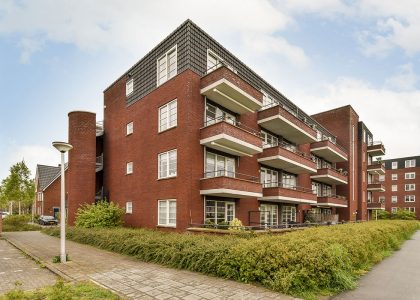

Investing in real estate is more than just buying a home—it’s about making a decision that will create lasting value over the years. Choosing the right property requires careful planning, market knowledge, and a clear understanding of your investment goals. This guide will help you identify the key factors to consider when selecting a property for long-term value.
1. Location Is Key
The location of a property is the most critical factor in determining its long-term value. Look for areas with strong infrastructure, proximity to schools, hospitals, shopping centers, and good transport connectivity. Properties in well-developed or upcoming neighborhoods tend to appreciate faster and maintain higher demand over time.
2. Analyze Market Trends
Understanding current and future real estate trends is essential. Research property price movements, rental demand, and population growth in the area. Emerging neighborhoods with planned developments can provide higher appreciation potential compared to already saturated markets.
3. Property Type and Size
Consider the type of property—apartments, villas, townhouses, or commercial units—and its size. Properties that cater to family needs or business requirements tend to have consistent demand. Smaller, well-located units often offer better rental yields, while larger properties may provide higher resale value.
4. Quality of Construction and Design
A well-built property with modern design features retains value longer. Check the quality of materials, finishing, and layout. Properties designed with energy efficiency, functional spaces, and aesthetic appeal are more attractive to buyers and tenants alike.
5. Amenities and Lifestyle Features
Properties with access to amenities like gyms, swimming pools, parks, and community centers often see higher demand. These lifestyle features not only enhance the living experience but also contribute to long-term property value.
6. Rental and Resale Potential
Even if you plan to live in the property, consider its rental or resale potential. High-demand areas with steady rental income provide a safety net and increase long-term investment security. Properties that appeal to both investors and homeowners tend to retain value better.
7. Legal and Regulatory Compliance
Ensure the property has a clear title deed, necessary approvals, and complies with local regulations. Legal security protects your investment and avoids future complications that can negatively affect value.
8. Work with Experienced Professionals
Partnering with trusted real estate agents, brokers, or consultants can make a significant difference. Experienced professionals provide market insights, negotiate better deals, and guide you toward properties with the highest potential for long-term value.
Final Thoughts
Choosing the right property for long-term value is a combination of research, planning, and strategic decision-making. By focusing on location, market trends, property quality, and professional guidance, investors and homeowners can make informed choices that deliver lasting returns. The right property today can become a valuable asset for years to come.